Blood Glucose Regulation
Blood glucose homeostasis is a control system centered on the pancreas and liver, with muscle and fat acting as major fuel users/stores.
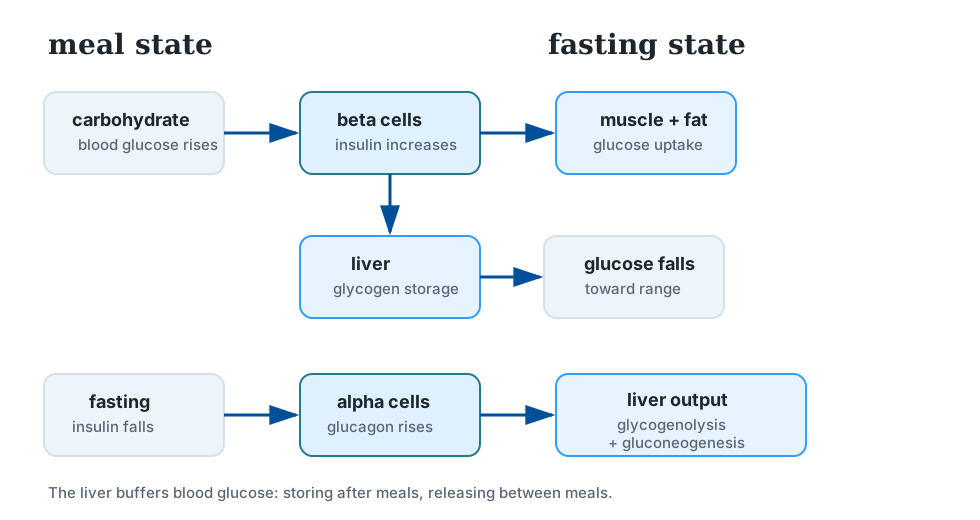
After a carbohydrate-containing meal
- Blood glucose rises.
- Pancreatic beta cells increase insulin secretion.
- Insulin promotes glucose uptake in skeletal muscle and adipose tissue, promotes glycogen synthesis, and suppresses liver glucose output.
- Blood glucose falls back toward its regulated range.
During fasting
- Dietary glucose disappears and insulin falls.
- Pancreatic alpha cells increase glucagon signaling.
- The liver releases glucose first through glycogenolysis and increasingly through gluconeogenesis.
- Falling insulin also permits more lipolysis and fat use.
The liver is therefore a glucose buffer: after meals it stores incoming carbon; between meals it puts glucose back into circulation.
Useful numerical anchors
These are diagnostic fasting-plasma-glucose cutoffs, not a claim that healthy glucose never moves outside them:
| Fasting plasma glucose | Interpretation |
|---|---|
| <=99 mg/dL | normal diagnostic range |
| 100-125 mg/dL | prediabetes range |
| >=126 mg/dL | diabetes range; normally requires confirmation |
For people with diabetes, glucose below 70 mg/dL is commonly treated as hypoglycemia.