Fasting Metabolism
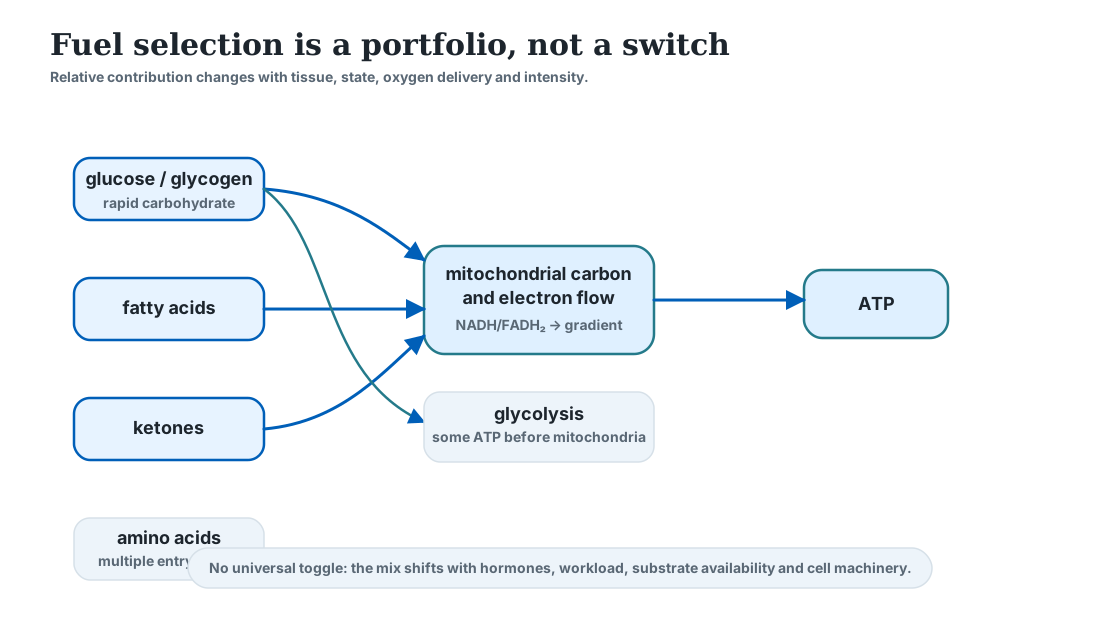
Fasting metabolism is a continuous shift in proportions, not a clock that suddenly switches from glucose to fat at hour 12.
The broad sequence
- Post-absorptive phase: once incoming nutrients disappear, insulin falls and glucagon/counter-regulatory signals become relatively more important. The liver maintains blood glucose using its glycogen.
- Gluconeogenesis rises: gluconeogenesis starts early, while glycogen is still being used. As liver glycogen falls, newly synthesized glucose contributes more of total glucose output.
The carbon comes mainly from:
- lactate
- glycerol released from triglycerides
- glucogenic amino acids
- Fat becomes the dominant stored fuel: lower insulin permits adipose tissue to release fatty acids. Many tissues increase fatty-acid oxidation.
- Ketogenesis rises: the liver converts some fatty-acid-derived acetyl-CoA into ketone bodies. During longer fasting, the brain increasingly uses ketones, reducing -- but never eliminating -- its glucose requirement.
Exact timing depends on previous diet, activity, glycogen stores, body size, and metabolic health. Human studies generally put major liver-glycogen depletion on the order of roughly a day, not at one magic universal hour.