Nutritional Ketosis vs Diabetic Ketoacidosis
Nutritional ketosis and diabetic ketoacidosis both involve ketone production, but they are different regulatory states.
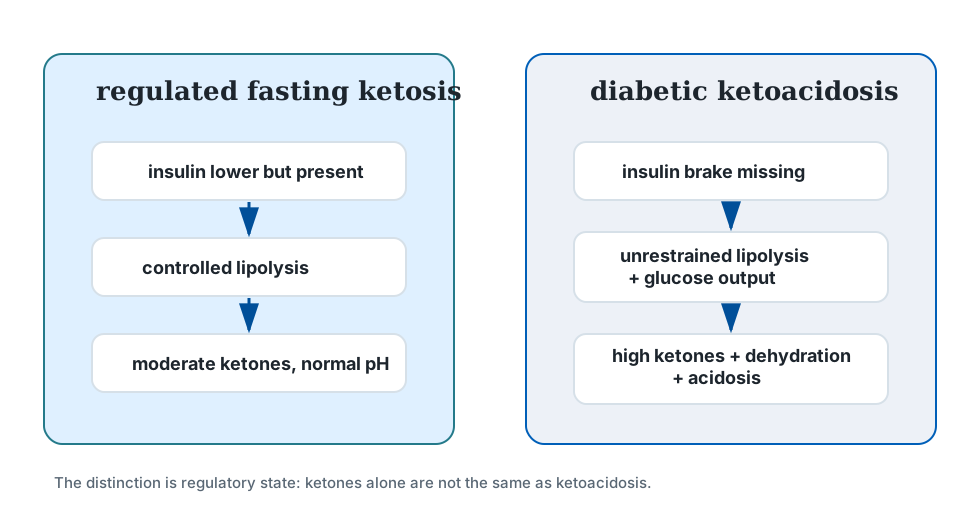
Nutritional / fasting ketosis
Insulin falls but does not disappear. That residual insulin restrains lipolysis and ketone production while glucagon helps shift fuel use toward fat. Ketones rise enough to become useful fuel, but the system remains regulated and blood pH stays normal.
Blood BHB on a mixed diet or after an overnight fast is commonly around 0.02-0.3 mmol/L. A common threshold for nutritional ketosis is BHB around >=0.5 mmol/L, often roughly 0.5-3 mmol/L, though definitions vary.
DKA: the brake is gone
In severe insulin deficiency -- classically Type 1 diabetes -- cells receive an insulin-deficient "starvation" signal despite abundant glucose in the blood.
Without effective insulin:
- adipose lipolysis becomes excessive
- the liver receives a flood of fatty acids
- ketogenesis accelerates
- hepatic glucose output also rises
- glucose and ketones accumulate while osmotic diuresis causes dehydration
Ketone acids eventually overwhelm buffering and produce metabolic acidosis.
Current ADA criteria include:
- diabetes/hyperglycemia context
- BHB >=3.0 mmol/L
- pH <7.3 and/or bicarbonate <18 mmol/L
The critical distinction is therefore not simply "more ketones." It is loss of insulin regulation + ketonemia + acidosis.