VPNs: What They Hide and Do Not Hide
A VPN creates an encrypted tunnel from your device to a VPN provider, then sends your internet traffic onward from the provider's network.
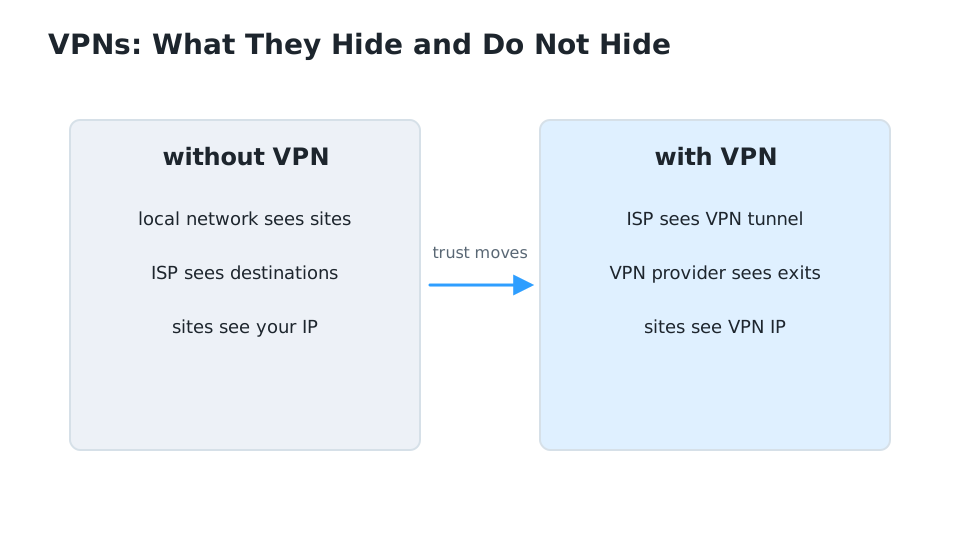
That changes who can see what.
What it helps hide from the local network / ISP
With a correctly configured VPN, your ISP or coffee-shop network can generally see that you are communicating with the VPN server and how much traffic is flowing, but not the ordinary destination IPs/domains of each tunneled connection in the same direct way.
HTTPS already encrypts the contents of most modern web traffic even without a VPN. A VPN adds a network-level tunnel around the connections and changes the public IP address seen by destination sites.
What it does not hide
A VPN does not stop a website from recognizing you through:
- logging in;
- first-party cookies/storage;
- tracking pixels;
- browser fingerprinting;
- account/payment identifiers;
- information you voluntarily provide.
It also does not make malicious downloads safe or magically protect a compromised device.
Big idea: A VPN does not remove trust; it moves some network visibility from your ISP/local network to the VPN provider.
That makes provider policy and incentives important. A dubious “free VPN” can be a worse privacy choice than a reputable paid service.