Great Oxidation Event
For much of early Earth history, the atmosphere contained almost no free oxygen. Photosynthetic microbes were producing oxygen long before it accumulated in the air, because oxygen was rapidly consumed by sinks — reduced volcanic gases, minerals, and especially dissolved iron in the oceans.
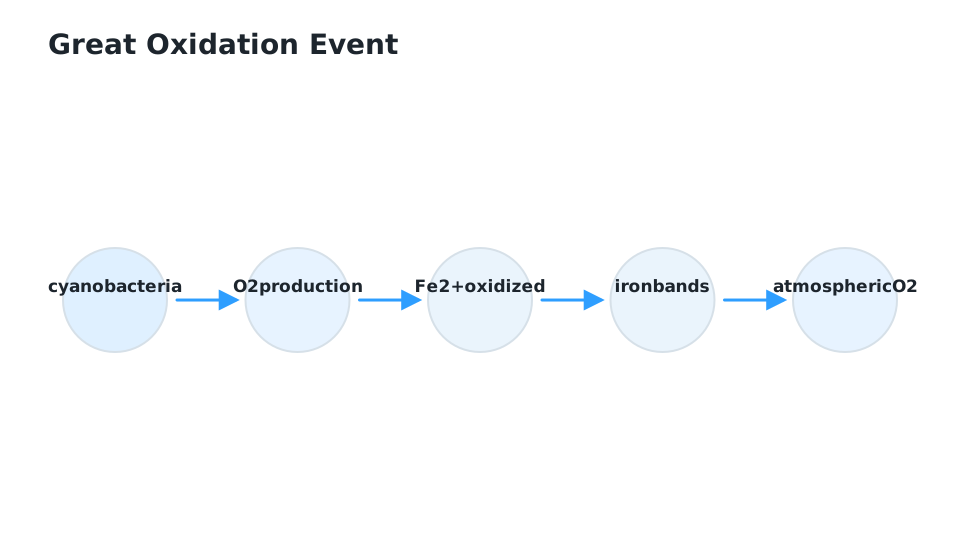
Around 2.4 billion years ago, atmospheric oxygen began a sustained rise in the Great Oxidation Event (GOE).
A memorable piece of evidence is banded iron formation. In oxygen-poor seawater, soluble ferrous iron (Fe²⁺) could accumulate. Oxygen oxidized it to ferric iron (Fe³⁺), which forms poorly soluble oxides that precipitated into iron-rich sediments.
The popular picture that “the oceans turned red, then blue” is too literal. Banded iron records repeated changes in chemistry and deposition over enormous spans of time; atmospheric oxygen itself rose unevenly and had earlier temporary “whiffs.”
Big idea: Producing oxygen and accumulating oxygen are different problems. The atmosphere oxygenated only when production began to outrun enormous chemical sinks.